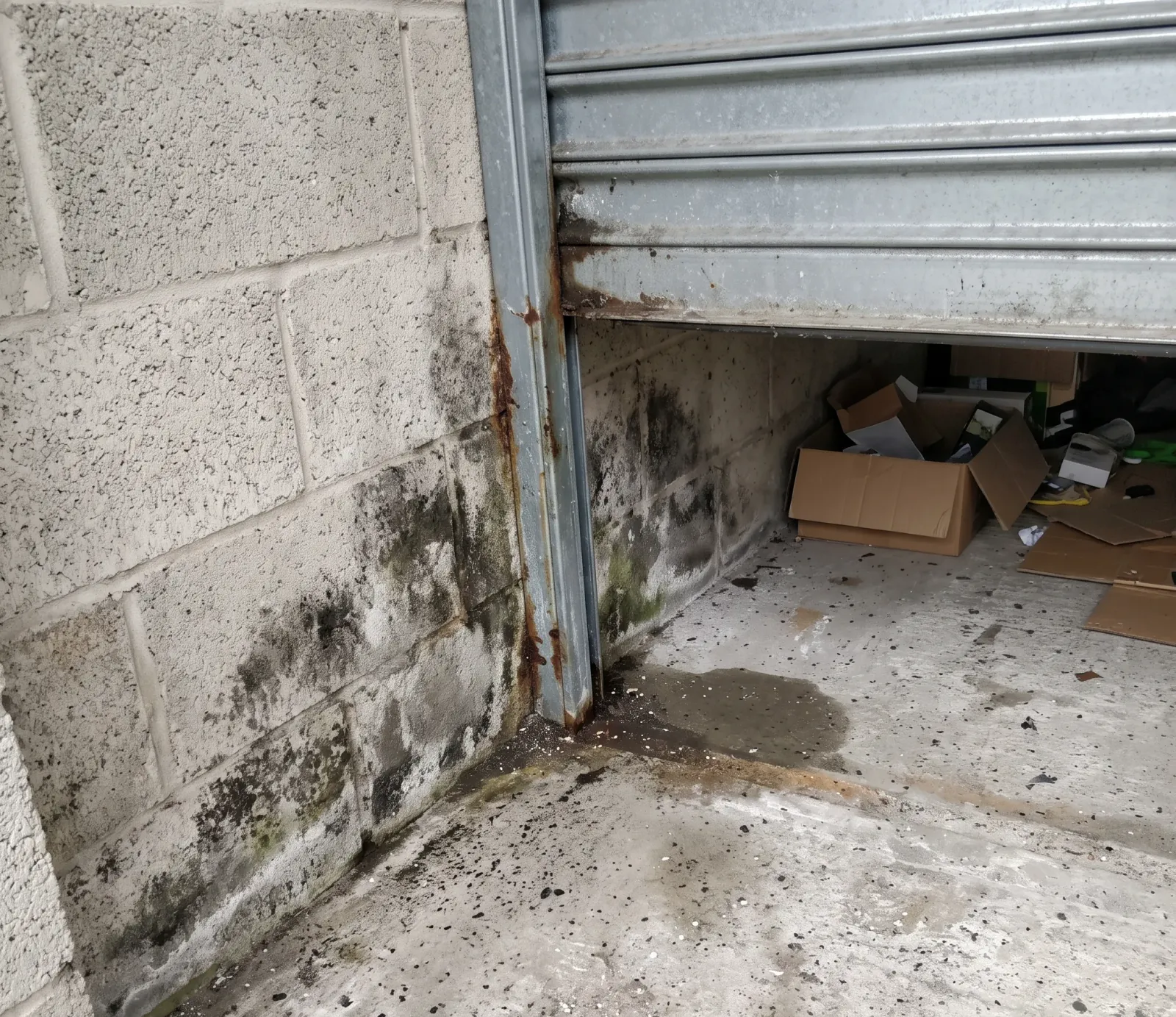
Mold
Is Black Mold Dangerous? What Atlanta Homes Face
Stachybotrys, the black mold myth, and what air quality testing and species identification actually tell an Atlanta homeowner about real health risk.
Read article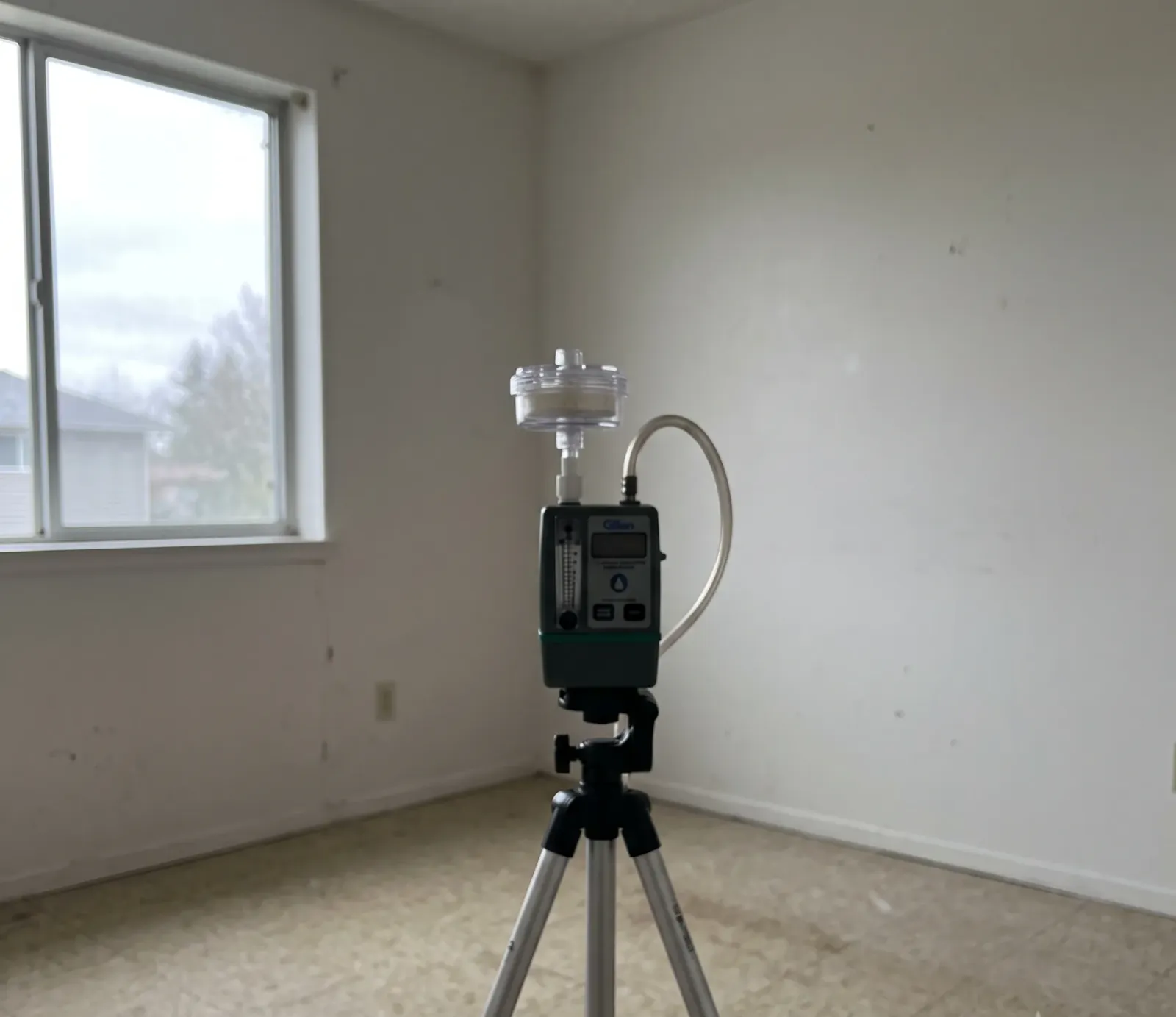
Moisture mapping and lab-verified air sampling before you decide what to do next.
A basement in Grant Park with a musty smell after weeks of closed windows, a Kirkwood crawl space that never quite dries out, a Buckhead closet wall that stays cool and damp to the touch — none of these tell an Atlanta homeowner whether mold is actually growing or just suspected. Mold inspection and testing is the step that answers that before anyone commits to remediation: a visual assessment, moisture readings, and sometimes air or surface sampling to confirm what's there.
An inspector working a house near Peachtree Creek or a condo off Buford Highway starts the same way: walk the space, note staining and odor, then take moisture readings at the walls, subfloor, and any spot that reads elevated against a baseline taken elsewhere in the house. Air sampling with a spore trap or a swab sample goes to a lab only when the visual and moisture findings call for it, and that lab turnaround, not the walkthrough, usually sets how long the whole job takes.
Whether you're in Vine City 30313, English Avenue 30314, Lakewood Heights 30315, or elsewhere around Atlanta, mold inspection & testing is arranged around the conditions on the ground in and around Atlanta, so the plan fits the building rather than a template.
Houses and businesses both get this treatment, but the scheduling differs. Compare residential water damage restoration with commercial water damage restoration and pick whichever fits the property.
Elevated moisture readings that persist for days after a leak, a musty smell in a closed-off room, or discoloration spreading across a ceiling near Virginia-Highland or Grant Park are reasons to schedule an inspection rather than guess. A visual assessment paired with moisture mapping tells you whether growth is confined to one wall cavity or has traveled further than the stain suggests. Testing gives you a baseline reading before any work starts, so scope decisions rest on numbers instead of assumptions about what a water event near the Chattahoochee or a slow plumbing drip actually did to the structure.
Discoloration on drywall, baseboards, or ceiling tile near Peachtree Creek or Nancy Creek adjacent properties often traces back to elevated moisture that never fully dried after a storm. A baseline reading with a moisture meter can confirm whether a stain is old and dry or still actively feeding growth. Surface sampling or a swab sample on the affected area gives a lab-confirmed answer instead of a guess based on color alone.
A past water event in a home near the Chattahoochee River or in an older intown property with combined sewer exposure does not always mean mold is present now, but it is reason enough to check. Air sampling with a spore trap can tell whether spore counts in living space are elevated compared to outdoor air. That comparison, done properly with a baseline reading and chain of custody to a laboratory, is what separates a real finding from a hunch.
A walkthrough of the affected area and any adjoining rooms, checking for visible growth, staining, and conditions that support elevated moisture, before any equipment comes out.
Moisture mapping with a meter across walls, floors, and any suspect cavity to establish a baseline reading and mark where readings run higher than the surrounding material.
Air sampling with a spore trap, surface or swab samples where staining is present, or both, collected with a documented chain of custody before going to a laboratory.
A written report with laboratory analysis results, in terms a homeowner or insurer can use, plus a clear recommendation on whether remediation and post-remediation verification are the next step.
Much of Atlanta's older housing stock sits over crawl spaces or basements that hold humidity for months at a stretch, and hardwood flooring installed directly over a damp crawl space absorbs that moisture from below just as readily as from a surface spill. Confirming what is actually growing, and where, before or after remediation keeps a homeowner from paying to treat the wrong area or missing a hidden source entirely.
Georgia does not require a special license for the person doing this work, and nothing here forces assessment and remediation to be handled by separate companies the way some states mandate. What matters in practice is chain of custody on any spore trap or swab sample sent for laboratory analysis, and a written protocol that says exactly where samples were pulled and why. Homeowners near Decatur or Chamblee dealing with an insurance claim usually get further with documentation a claims adjuster can follow than with any credential on a business card.
Because Georgia sets no licensing standard for this work, the protocol followed matters more than any credential on a business card. A defensible inspection in an Atlanta home means a visual assessment, moisture mapping of the affected rooms, and air or surface sampling sent to a laboratory with a documented chain of custody. Post-remediation verification after the work is done follows the same standard, so the clearance testing means something to an insurer reviewing the file.
Older intown lots near Virginia-Highland or Candler Park often mean crawl space or basement access, which changes labor time versus a slab job near the BeltLine. Clay soil under most of Atlanta holds water at grade, so drying charges can extend if runoff kept feeding the same spot.
| Response Time | Coverage Area | Availability |
|---|---|---|
| Once materials are wet past saving, removal and disposal are priced by what has to come out: drywall, baseboard, flooring, sometimes cabinetry. A finished basement in Ansley Park with carpet and drywall costs more to demo than an unfinished crawl space near Nancy Creek with exposed framing and no wall coverings. | Water moves through Atlanta on its own terms. The clay under neighborhoods like Grant Park and Virginia-Highland holds moisture near the surface instead of letting it pass, so a hard rain along Peachtree Creek or near the Chattahoochee can back up against an older foundation within hours. Add a hilly street grid and aging pipe in parts of the city, and a single storm raises several separate questions about where the water actually came from. | an estimated $255–$945 |
| Tear-out costs scale with the materials affected, not the square footage alone, since removing tile is a different job than pulling wet carpet pad. A kitchen near Inman Park with water-damaged cabinets runs higher than a bare storage room in the same house with only a concrete floor to deal with. | Runoff in Atlanta doesn't soak into red clay the way people expect; it perches and pushes against a foundation instead. That's why a slab off Peachtree Creek and a crawl space near Utoy Creek can flood the same afternoon for the same reason. The licensed pros we connect you with read a house's grade and drainage before they open a wall, not after. | an estimated $300–$1350 |
| Demolition of ruined materials is priced item by item: baseboard by the foot, drywall by the square foot, flooring by type. A hardwood floor pulled up in a Poncey-Highland bungalow is priced differently than vinyl plank in a newer build near the Atlanta BeltLine, since labor and disposal weight both change. | Water sitting under a Grant Park bungalow or seeping into a Virginia-Highland crawl space behaves differently depending on the house, the slope, and how long it sat before anyone noticed. The licensed pros we connect you with bring meters that read dampness behind walls and under flooring near Peachtree Creek, then set drying equipment to match what those readings show, not a guess. | an estimated $450–$2160 |
| The removal stage costs more when insulation is involved, since wet insulation behind drywall in an older Cabbagetown home has to come out along with the wallboard, not just the surface material. A slab home near Buford Highway with no wall insulation to remove is a comparatively smaller demo job. | Water sits differently depending on where a house stands. A crawl space near Peachtree Creek holds moisture longer than a slab off Cascade Road, and a basement near Nancy Creek behaves nothing like one in Vinings. The licensed pros we connect you with read the property first — soil, grade, foundation type — before deciding how a job in Atlanta actually gets dried. | an estimated $720–$3595 |
Older sections near the Atlanta BeltLine and West Midtown mix century-old pier-and-beam crawl spaces with newer slab conversions on the same block, and each foundation type dries at its own rate. A number quoted for a slab loft near Ponce City Market will not hold for a raised bungalow off Boulevard, and a fair estimate says so upfront.
No. A single company can legally test and remediate the same mold problem here, since the state does not separate those roles by license. Some homeowners still prefer a third-party assessor for the testing phase, particularly on an insurance claim or a home sale near Druid Hills, because a report from someone with no stake in the remediation contract can carry more weight with an adjuster or a buyer's inspector than an in-house result would.
A spore trap air sample measures what is in the air of a room compared to a baseline reading taken outdoors or in an unaffected area of the same house. A surface or swab sample checks a specific stain or suspect area directly. Both go to a laboratory for analysis, and which one makes sense depends on whether the concern is airborne spore levels or a visible spot that needs confirming.
It depends on the scope of the inspection, but a straightforward single-area visual assessment and moisture mapping can often be done in under an hour. Adding air sampling or surface samples extends that some, since each sample needs proper collection and chain of custody before it goes to the lab. Laboratory turnaround for results typically adds a few more days after the visit itself.
Clearance testing, sometimes called post-remediation verification, checks whether a remediated area is back within a normal range after the work is finished. It typically involves a visual assessment plus air or surface sampling, ideally by a third-party assessor rather than the company that did the removal. This is the step an insurer or a buyer's attorney is most likely to ask for documentation on.
A basement or crawl space near a creek in Atlanta, such as areas close to Peachtree Creek or Nancy Creek, can hold ground moisture longer after a heavy rain than a home on higher ground. That does not automatically mean elevated spore counts, but it is a reasonable trigger for moisture mapping and a baseline air sample, especially if there is also a musty smell or visible staining.
A homeowner can request the specific sampling method used, whether spore trap, surface swab, or both, and ask to see the laboratory analysis report directly rather than a summary. Asking whether the assessor followed a documented chain of custody from collection to lab is a fair question too, since that is part of what makes a result defensible to an insurer later.
Basements near Grant Park and Inman Park sit on lots that slope hard toward the street, so a heavy storm sends water downhill and it collects where the foundation meets lower ground. Atlanta's clay slows drainage further, which is why the same address can flood twice in one wet month.
Not every house handles water the same way. A slab home near West Midtown dries differently than a walkout basement in Druid Hills, and a vented crawl space near Peachtree Creek holds humidity longer than an encapsulated one. The licensed pros we connect you with check the structure first, then decide how fast drying needs to happen before mold becomes the bigger problem.
Stachybotrys, the black mold myth, and what air quality testing and species identification actually tell an Atlanta homeowner about real health risk.
Read article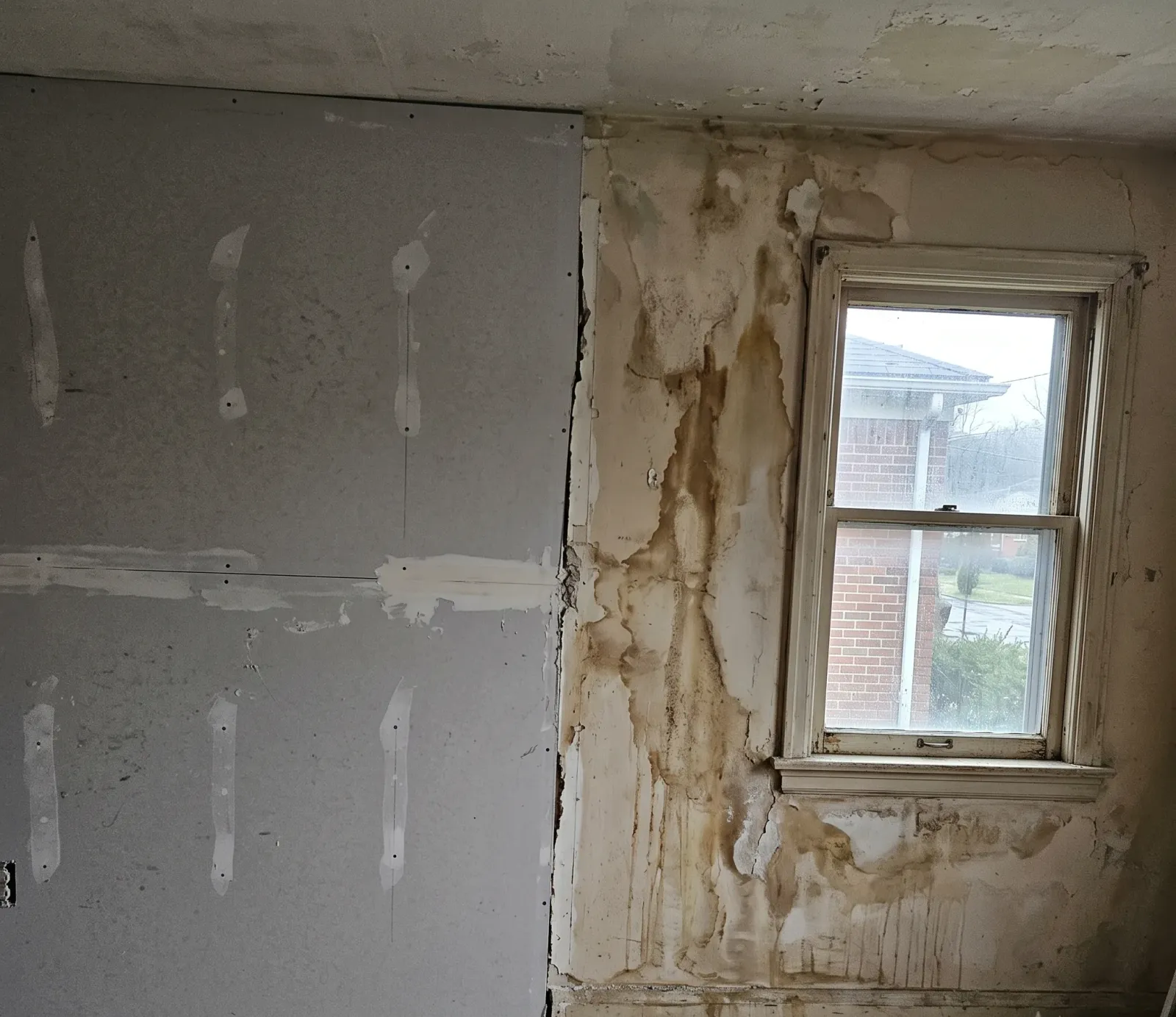
Georgia has no mandatory seller disclosure form for past water damage, but caveat emptor doesn't protect a seller who lies outright about known damage or mold history when a buyer asks.
Read article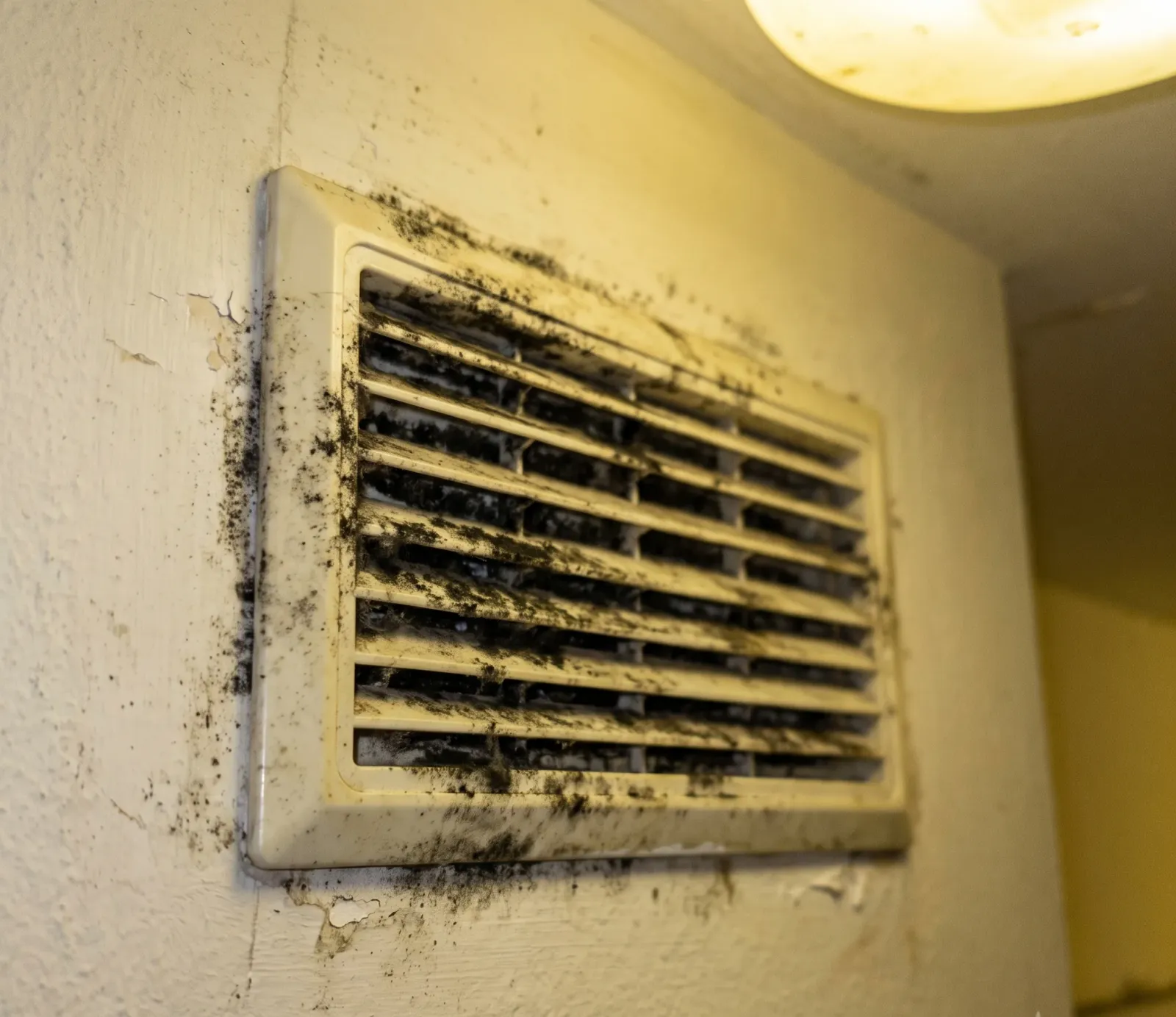
Atlanta's humid subtropical climate, its vented crawl spaces, and its below-grade basement walls all create steady condensation risk. Here is why that combination makes mold a climate problem first, not just a plumbing one.
Read articleEvery water loss in this city carries its own path, its own materials, and its own clock, so a page like this can only describe the general shape of the work. For the specifics of your address near Virginia-Highland, East Atlanta, or wherever you are calling from, the licensed local pros in this network can walk the affected rooms, explain what they find, and lay out the drying plan before anything starts.
Call (404) 496-7950