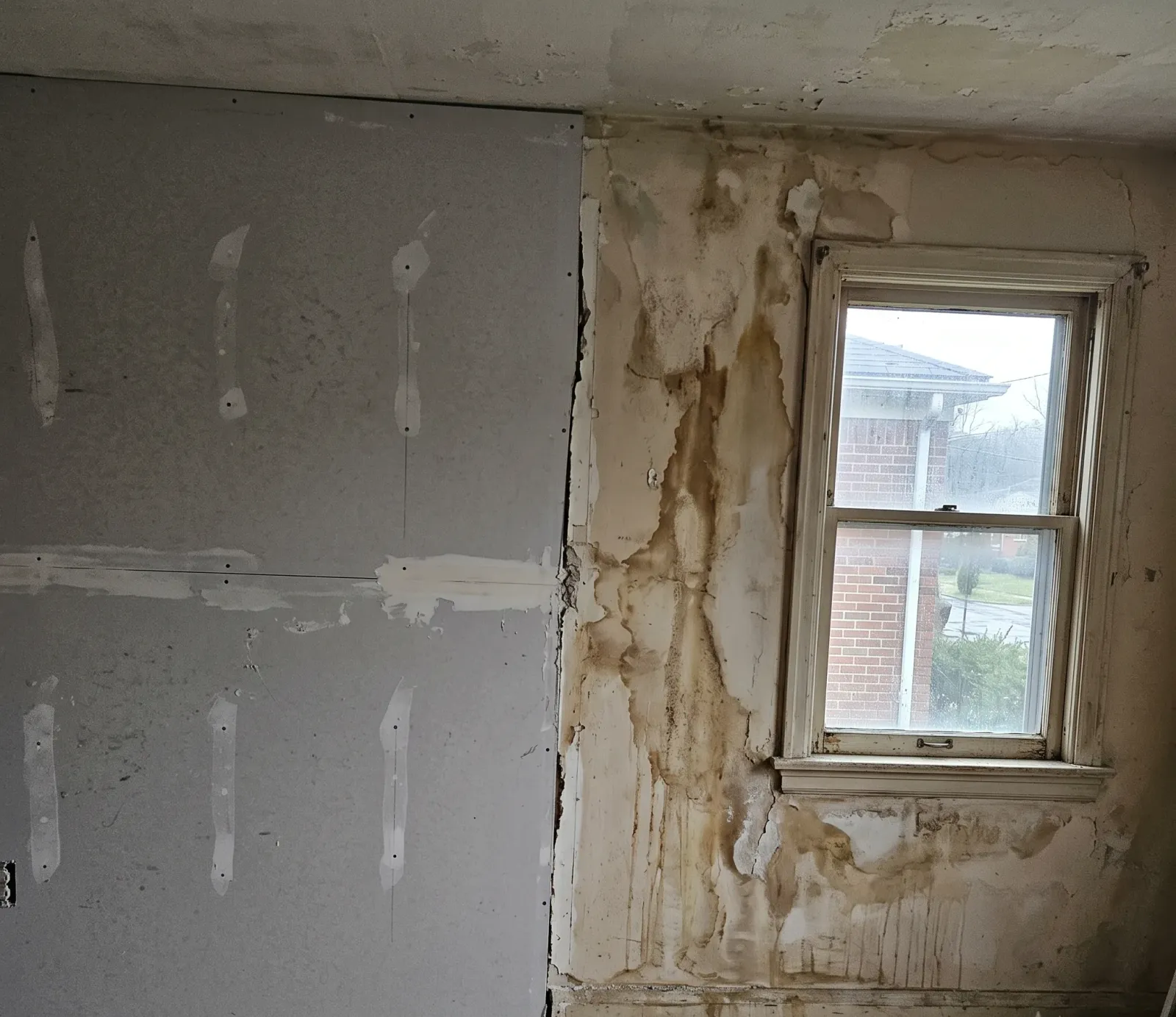
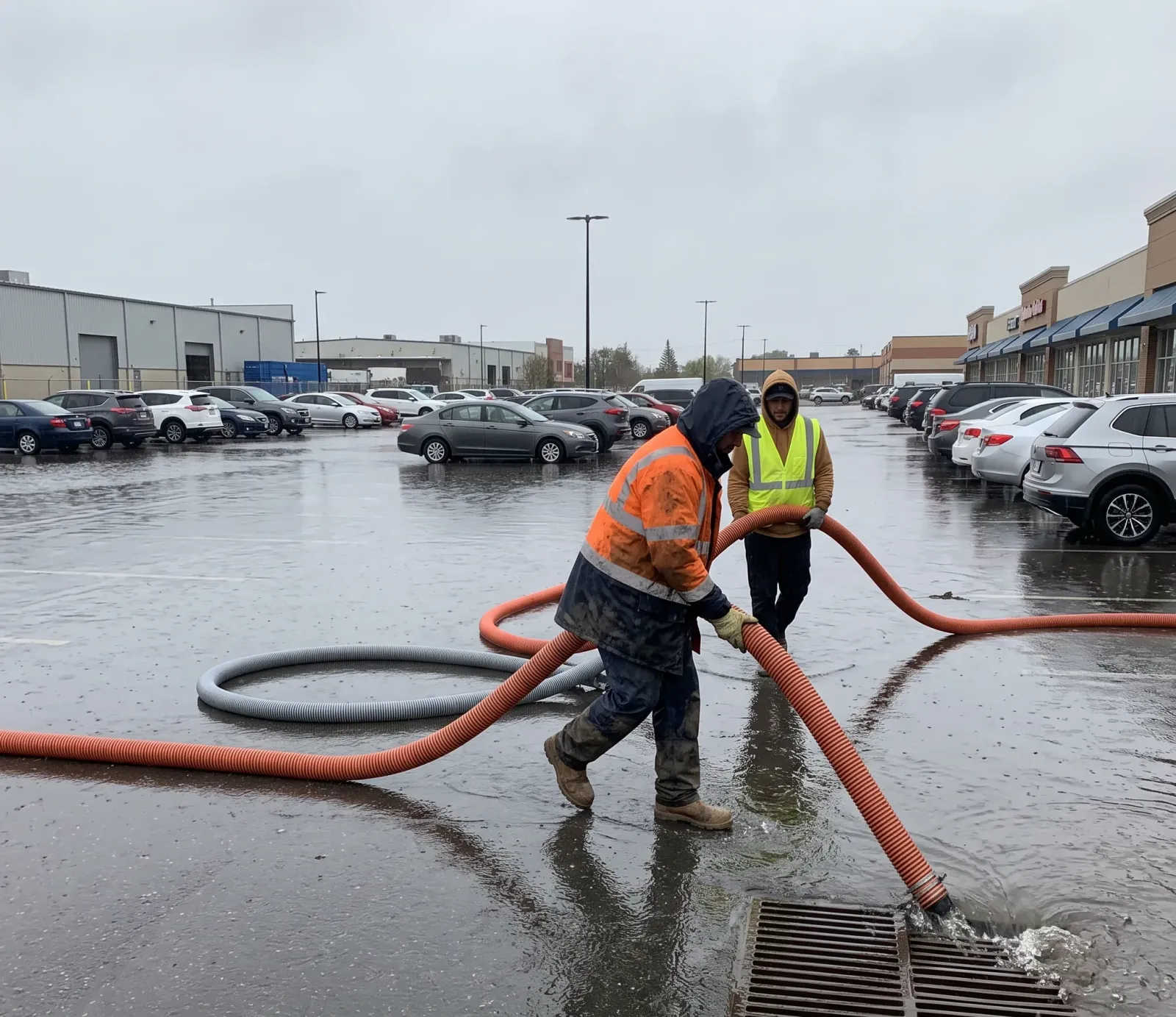
Water moves through an older intown house faster than most people expect, and it takes the paths the builders left rather than the ones you would guess. A supply line that lets go upstairs runs along a joist and drops into a room nobody was standing in. A storm drain that backs up on a sloped street pushes in at the lowest door on the property. By the time anyone notices, the useful question is not whether the floor is wet but how far under it the water has already gone.
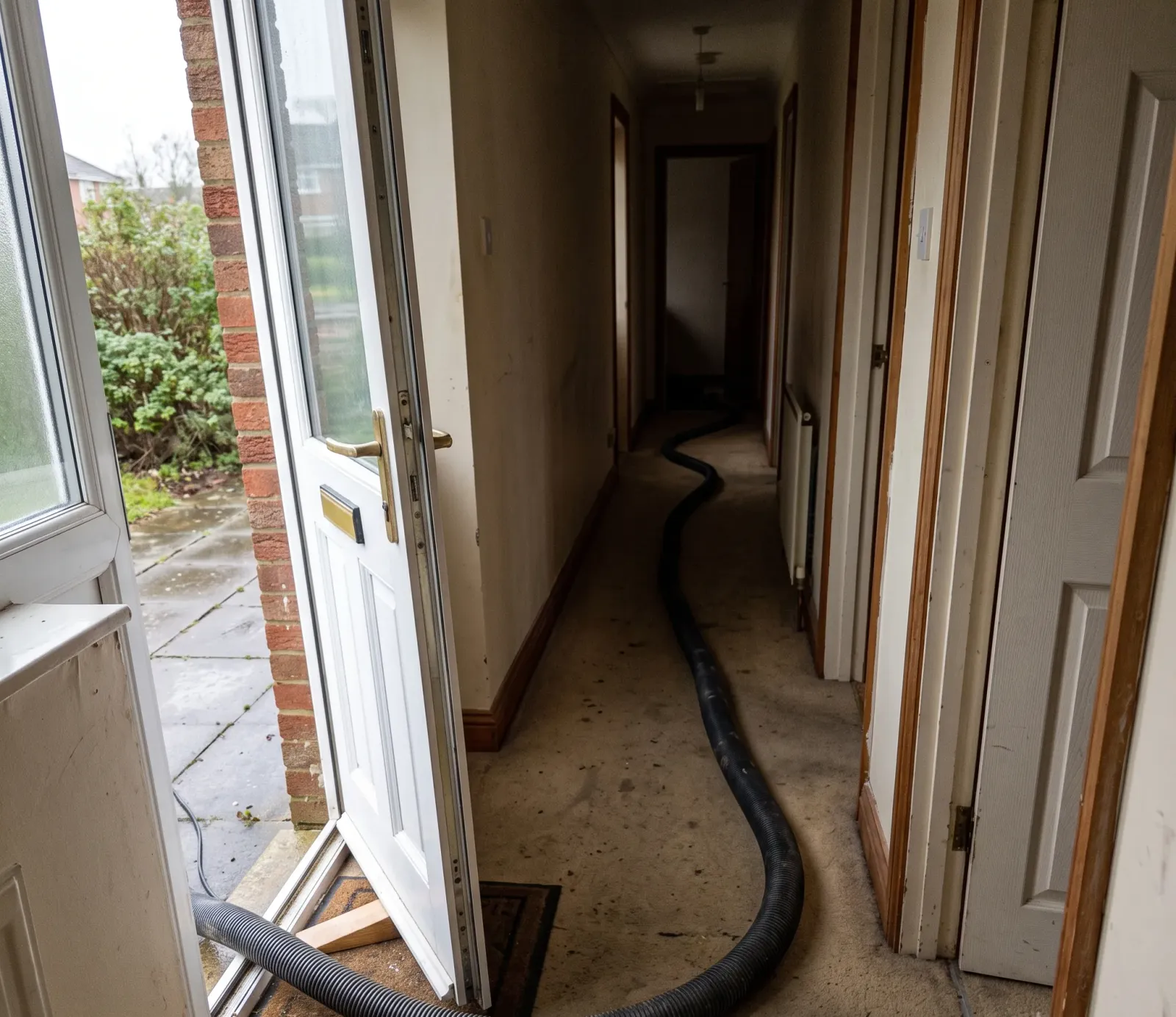
Getting a truck-mounted unit or a portable extractor into an older Grant Park bungalow or a Buckhead high-rise unit shapes the response as much as the water itself. A pro checks the source first, then classifies the water, then decides between a wet vacuum, an extraction wand, or a submersible pump for deeper pooling. Response time and how far the crew has to carry hose from the driveway both affect the bill, along with how many affected materials need flood cuts before drying can start.
Whether you're in Downtown Atlanta 30303, Garden Hills 30305, Virginia-Highland 30306, or elsewhere around Atlanta, emergency water extraction is arranged around the conditions on the ground in and around Atlanta, so the plan fits the building rather than a template.
Nearly all of this work is residential: residential water damage restoration covers the approach for houses, while commercial and multi-unit buildings are handled under commercial water damage restoration.