Walk through West End or Inman Park and you're standing on drain lines older than most of the people living there. Homes built through roughly the mid-1970s in these Atlanta neighborhoods still run on cast iron inside the house and clay tile out to the street, and both were reasonable choices for their era. What nobody building them could plan for was seventy-plus years of scale buildup, joint separation, and root pressure working on the same run of pipe without a break.
Cast Iron Wears From Inside
Cast iron drain lines corrode from the inside out, which is why the outside of the pipe can look fine while the inside is nearly closed off. Corrosion builds pipe scale along the pipe wall the same way it builds up in an old radiator, and that scale narrows the channel water and waste can move through. Eventually a pipe that once ran full-bore is passing water through a fraction of its original opening, and a normal flush becomes the thing that finally backs up.
Clay Laterals And Roots
The sewer lateral is the pipe that runs from the house to the street connection, and in older Atlanta neighborhoods that pipe is often clay, laid in short jointed sections rather than one continuous run. Those joints were never watertight for long. As the ground settles slightly over decades, the joints separate just enough for moisture and a scent of sewage to reach nearby tree roots, and root intrusion follows. A lateral choked with roots backs up the same way a clogged straw does, gradually and then all at once.
Why Older Blocks Are Worse
This isn't unique to any one street, but it concentrates in Atlanta's older, tree-canopied intown neighborhoods for a specific reason: mature street trees and aging clay laterals sit on top of each other in exactly the areas built out before mid-century. Grant Park, Inman Park, and West End share that same profile — hilly terrain, early-20th-century housing, and root systems decades older than the pipe they're growing toward. The tree canopy that makes these blocks pleasant to live on is part of what's working against the plumbing underneath them.
A Backup Is Not Random
A sewer backup that happens once, after unusual rain or unusual use, can be a fluke. One that comes back every few months from the same fixture is not. Recurring backups are the pipe telling you something about its condition rather than about anything happening upstairs. In a home with the aging infrastructure common to Atlanta's pre-1970s housing stock, a repeat backup is worth treating as a plumbing-age question first, before assuming it's a one-off clog.
Galvanized Pipe, A Related Clue
Cast iron isn't the only aging material showing up in these houses. Galvanized pipe, used for water supply lines rather than drainage, corrodes internally in a similar way and often shows up in the same era of home. Finding one aging material during a repair is a reasonable prompt to ask about the others, since a house built with cast iron drains from a given decade was very likely built with the water-supply pipe common to that same decade, even though the two systems fail independently.
What Pipe Failure Looks Like
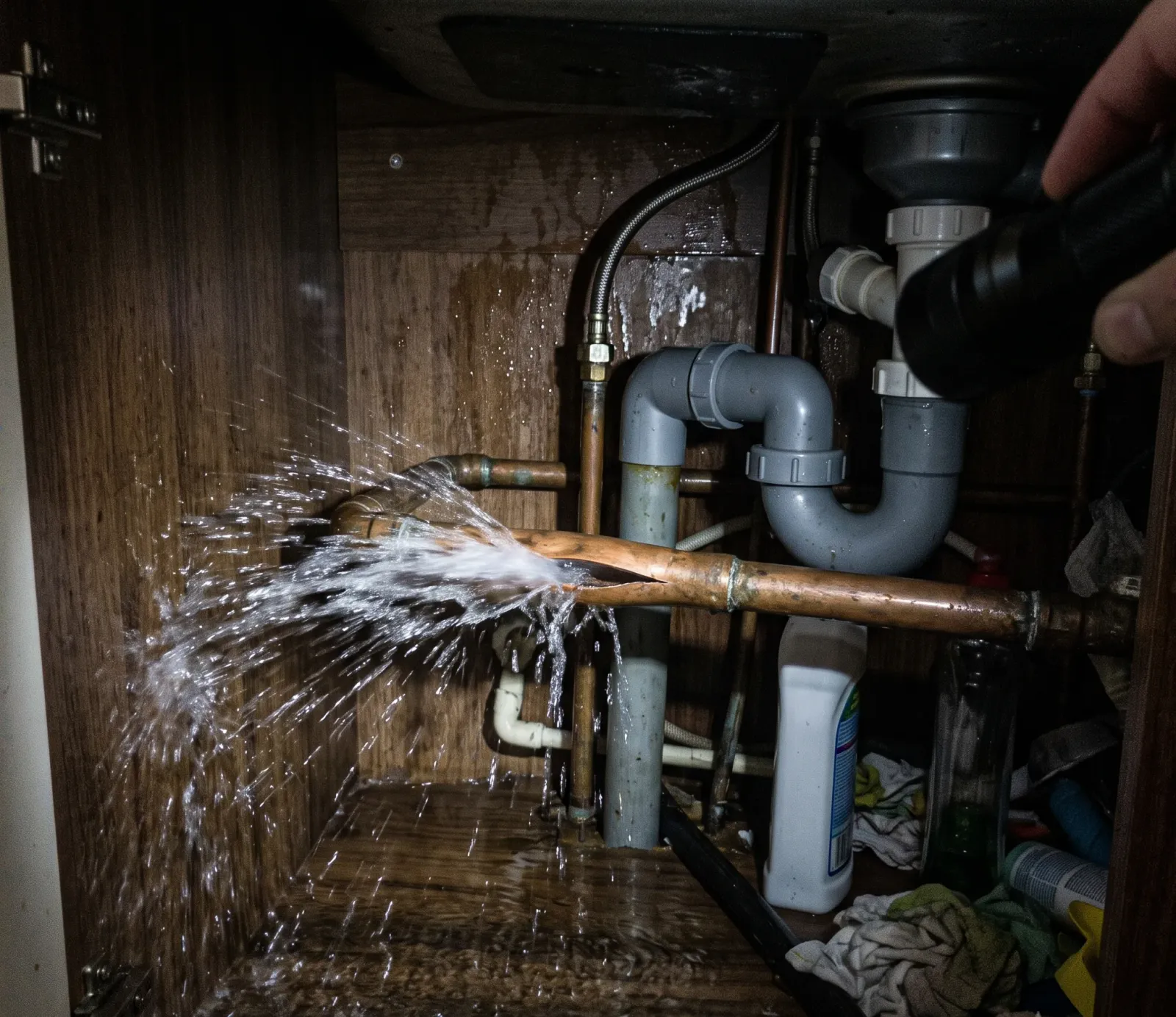
Pipe failure in an aging cast iron or clay system rarely announces itself as a single event. It shows up as slow drains that never fully resolve, a gurgle from one fixture when another one runs, or a backup that clears on its own and returns weeks later. None of these on their own proves the line has failed, but together, in a home old enough to carry this plumbing profile, they describe a system narrowing or separating gradually rather than a sudden isolated clog.
Plumbing Code Has Moved On
Plumbing code today calls for different materials than what many of these homes were built with, which is part of why cast iron and clay read as dated rather than standard once a plumber is actually inside the wall or under the yard. Code changes over decades reflect lessons learned about exactly the failure modes described here — joint separation, internal corrosion, root intrusion — which is also why pipe replacement in an older home often means swapping to a materially different pipe rather than a like-for-like patch.
Renters And Shared Lines
Atlanta's older neighborhoods mix long-owned single-family homes with rentals and small multi-unit buildings, and a backup in a shared line complicates who even notices it first. A renter may report a slow drain that a property manager doesn't connect to the building's original 1940s or 1950s plumbing until it backs up a second time. The age of the pipe doesn't change with who lives there, but who's positioned to catch an early warning sign often does.
What A Backup Leaves Behind
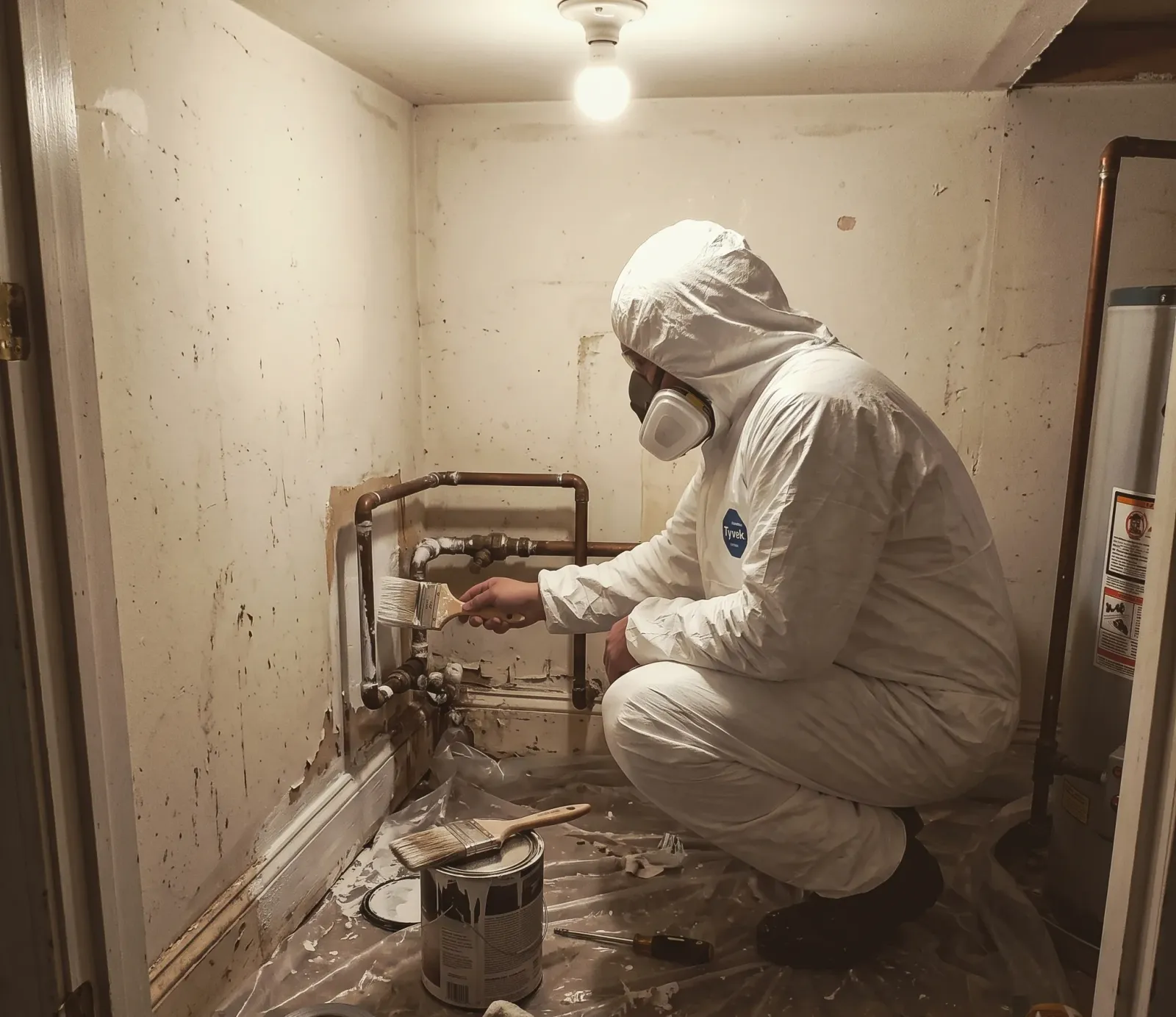
When a sewer backup does happen, especially into a basement or a lowest-level bathroom, what's come up through the line is not clean water, and drying it out is not the same task as drying out a burst supply pipe. The materials affected, the contamination involved, and the pace at which mold can start make this a different kind of cleanup. Homeowners dealing with a backup for the first time are often more prepared for the plumbing side of it than for what the water itself leaves behind.
Getting An Honest Look
None of this means a house near Grant Park or Poncey-Highland is doomed to flood every year. It means the odds of a backup climb with pipe age, and a repeat backup in the same drain is a pattern worth a camera inspection rather than another round of snaking. Understanding why the pipe is struggling is the first step; deciding what to do about a specific lateral is a separate conversation with the licensed pros we connect you with.
What This Means for Your Home
The short version is that pipe age in Atlanta isn't a scare story, it's a maintenance timeline that a lot of the city's housing stock is quietly running up against at once. Knowing whether a home's drain lines are cast iron or clay, and roughly when they went in, turns a repeat backup from a mystery into an expected maintenance item. That's a more useful place to start than waiting for the third backup to ask the question the first one should have raised.
Dealing with this in your home?
A basement near Ormewood Park can sit dry for a year, then take on water the first time a real downpour hits. Atlanta's red clay sheds rain rather than soaking it in, so water piles up against a foundation wall fast, especially on lots that slope toward Intrenchment Creek. This post covers what that pattern actually means for a home.