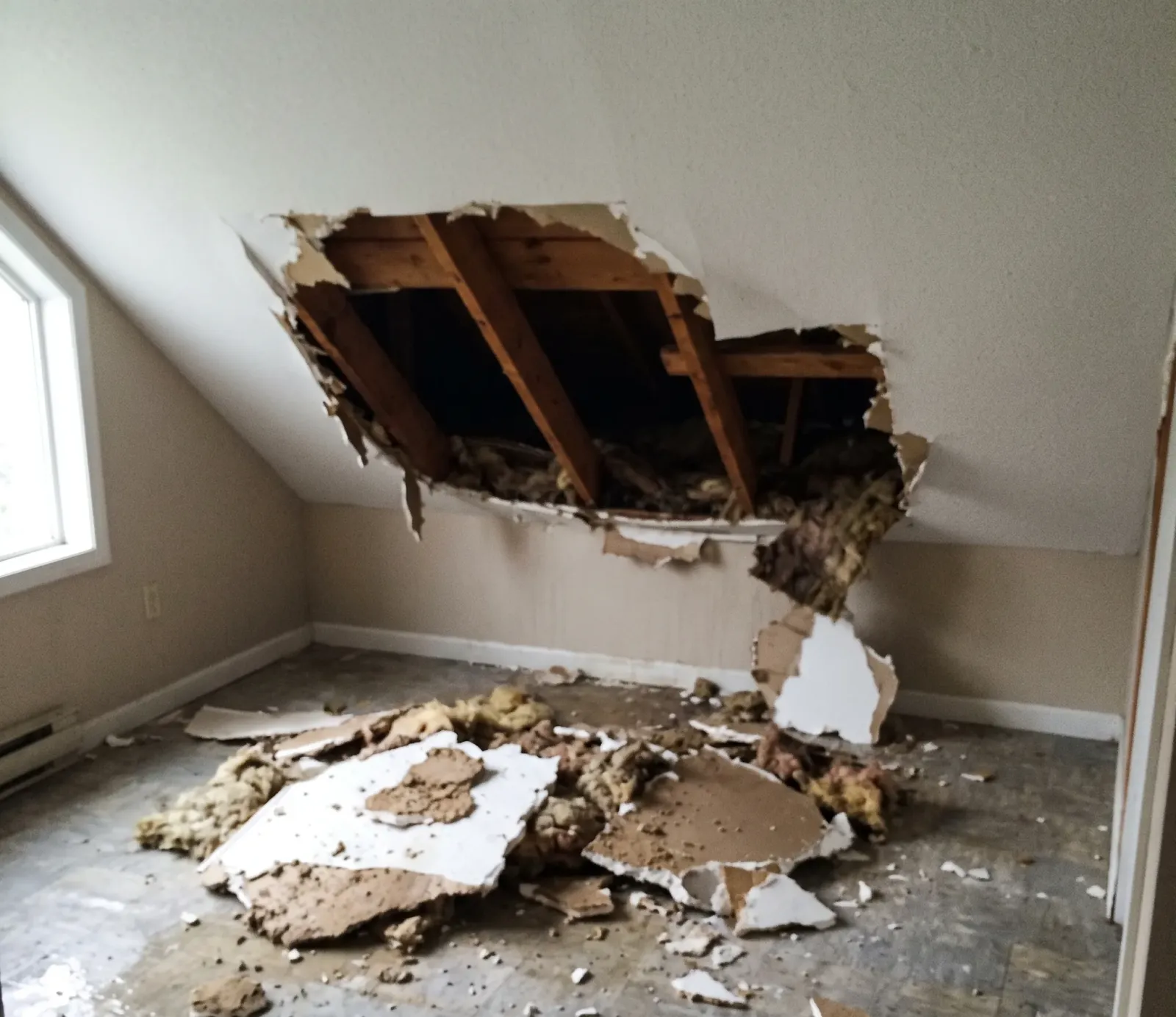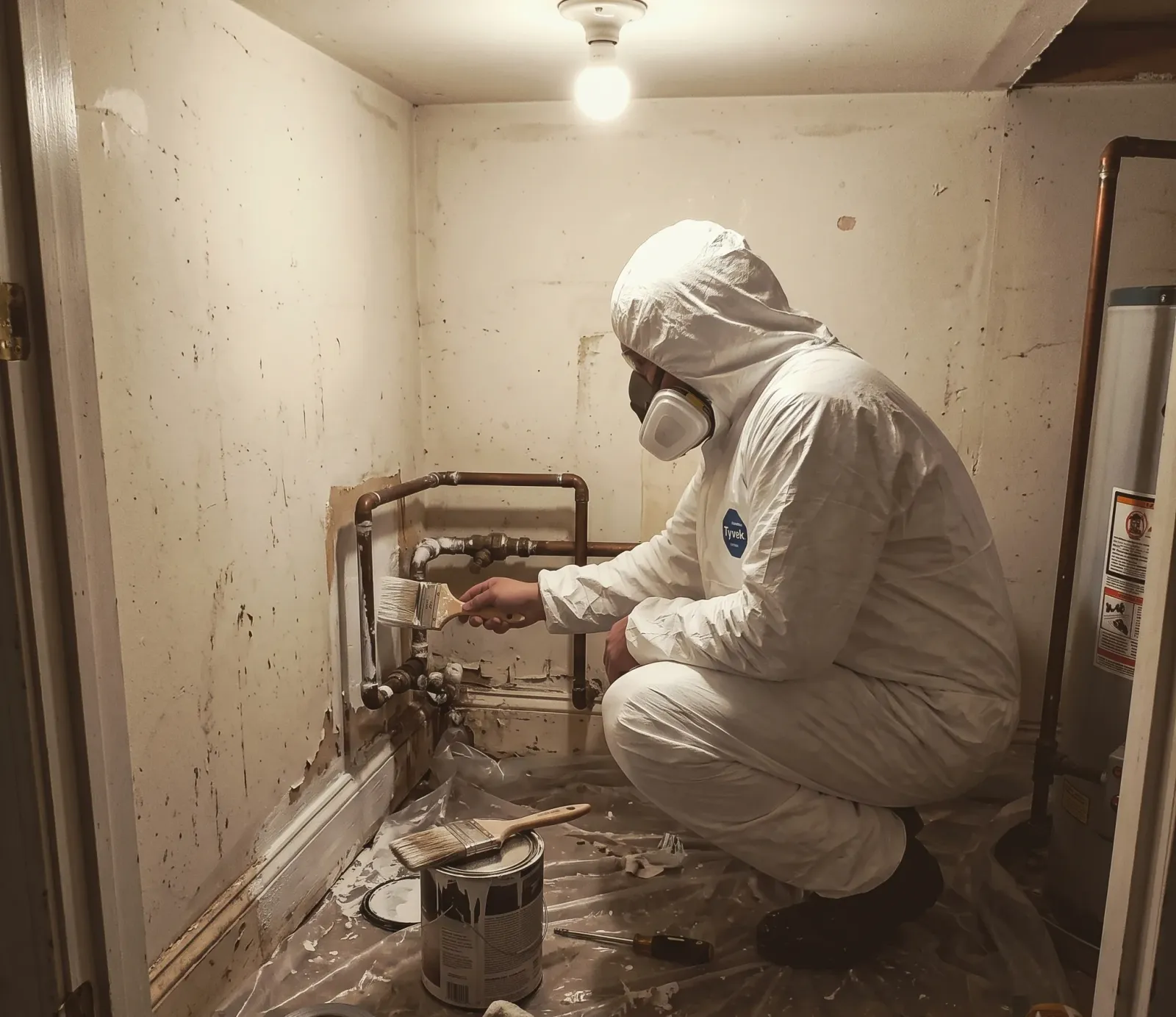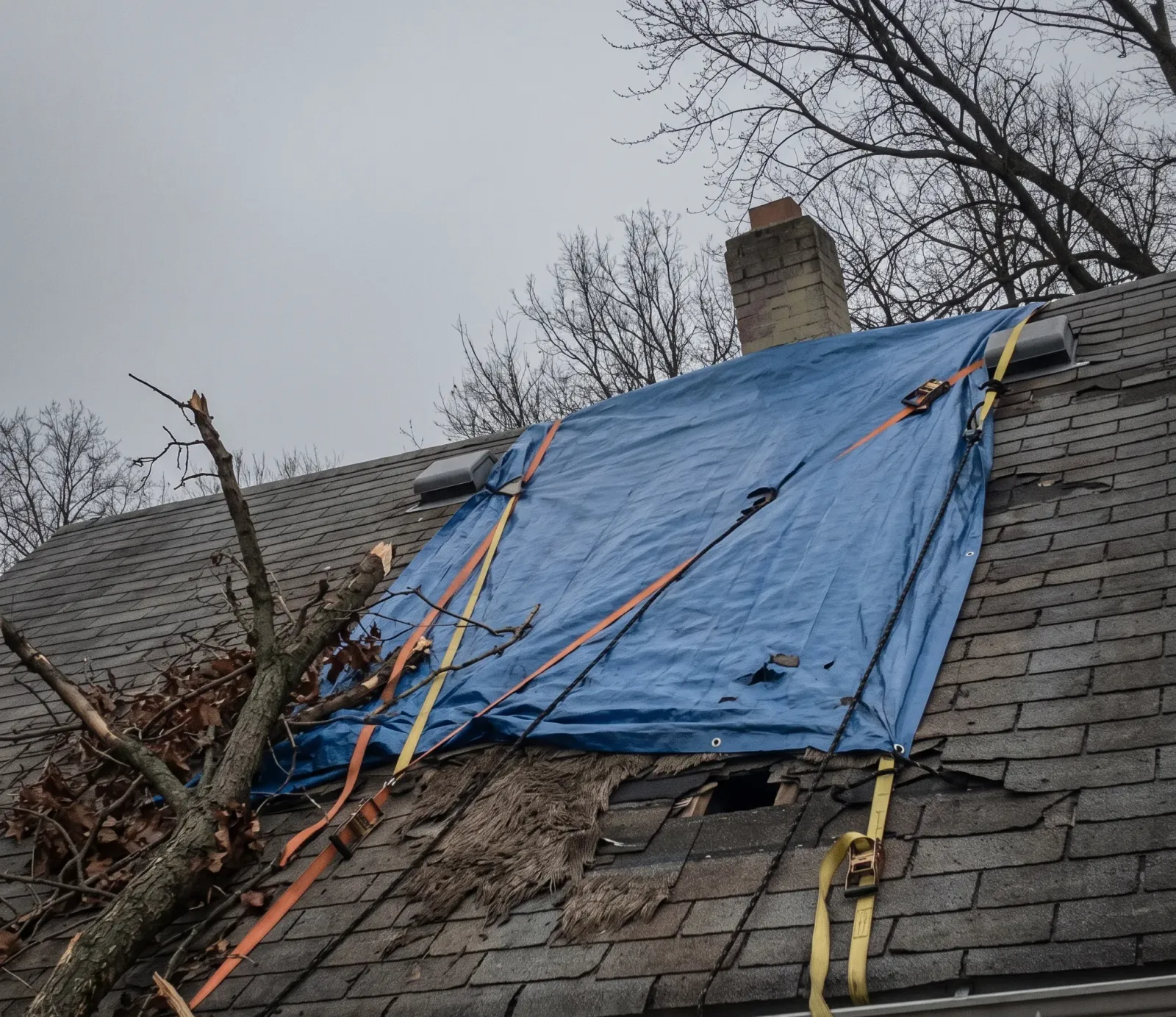
Atlanta homes don't need to survive months of cold, so a lot of plumbing here was never routed with that in mind. Supply lines run through crawl spaces, along exterior walls, and across attic runs above the insulation line, all unconditioned space that a northern builder would have wrapped or buried deeper. When temperatures drop into the low 20s for even one overnight stretch, that gap in protection shows up all at once, which is why a single cold snap can leave plumbers and restoration crews across Fulton and DeKalb counties booked solid for days.
Find Your Exposed Pipe Runs
Start by locating which pipes sit in unconditioned space. That means an attic run near Buckhead or Decatur, a supply line along an exterior wall, or anything crossing a crawl space under a hardwood floor. Interior walls stay warm from the house around them; exterior walls and unheated spaces don't. Walk the house once and note where pipes cross into a garage, attic, or crawl space. That fifteen-minute walk-through is the single most useful thing an Atlanta homeowner can do before a forecasted hard freeze.
Disconnect Every Hose Bib
Walk the outside of the house first. Every hose bib should be disconnected from its garden hose, drained, and if it lacks its own shut-off valve, covered with an insulated foam cap. Inside, open the cabinet doors under any sink that sits against an exterior wall so household heat can reach the supply line and drain behind it. If pipe insulation or heat tape was added after a prior freeze, check that it still wraps the full exposed run, not just the section that failed last time.
Open Cabinet Doors Under Sinks
Any sink on an exterior wall, kitchen or bathroom, should have its cabinet doors left open on a hard freeze night. The plumbing under that sink is closer to outside temperature than the rest of the house realizes, since the cabinet blocks the room's warm air from reaching it. Opening the doors lets normal household heat circulate around the supply line and the drip trap underneath. It costs nothing and takes a few seconds per sink.
Set the Thermostat Correctly
If the house will sit empty during a freeze, resist the urge to save money with a deep thermostat setback. A steep drop lets interior wall temperatures fall enough to threaten a supply line that would otherwise be fine. A modest setback, not a shutdown, keeps the house warm enough to protect the pipes inside it. If leaving town for more than a day or two during freeze season, ask someone to check the house, or leave the heat running at a normal low setting instead.
Know Where the Main Shutoff Is
Every homeowner should know the exact location of the main shutoff and the water meter before a freeze happens, not while water is running across the floor. In an older intown Atlanta house that might be in a basement or crawl space access point; in newer construction it's often near the front foundation wall. Test the valve once a year so it turns freely. A shutoff that's rusted stuck is not a shutoff at all when it's needed.
Let a Faucet Drip Overnight
On the coldest nights, a slow drip from a faucet fed by an exposed line keeps water moving through the pipe, and moving water is far less likely to freeze solid than standing water. This matters most for a supply line running through an attic or along an exterior wall in an older part of town. It's a small step, costs a little water, and is one of the more reliable low-effort defenses against a pipe splitting overnight.
Pipe Insulation and Heat Tape
Foam pipe insulation sleeves are cheap and worth installing on any exposed run in a crawl space, attic, or garage before winter starts, not during a freeze warning. For a pipe that has frozen before, heat tape wrapped along its length and plugged in during cold spells adds real protection. Both are one-time purchases that pay for themselves the first time they stop a supply line from splitting during a January cold snap.
Why Atlanta Homes Are Vulnerable
It helps to understand why this happens here at all. Homes in a mild-winter city like Atlanta simply weren't built with the same pipe protection standard as a home in a place with sustained freezing winters. Insulation depth, pipe placement, and crawl space sealing all assume the cold won't last long or come often. That assumption holds most years. When a hard freeze does arrive, it exposes exactly the gap that a northern home's construction code was written to close decades ago.
After the Cold Snap Passes
Once temperatures climb back above freezing, walk the house again before assuming everything held. Check under every sink, look at the ceiling below any attic run, and run each hose bib briefly to confirm it drains normally. A slow leak from a hairline crack in a supply line can take a day or two to show itself as a stain or a soft spot in flooring. Catching it during the thaw, rather than a week later, is what keeps a small problem small.
A Short Seasonal Checklist
To recap in order: find exposed runs in the attic and crawl space, disconnect and drain every hose bib, open cabinet doors under exterior-wall sinks, avoid a deep thermostat setback on an empty house, confirm the main shutoff turns freely, and let a faucet drip on the coldest nights. None of this requires a plumber. It requires doing it before the forecast says a hard freeze is coming, since by the night of the freeze itself, preparation time has already run out.
Where the Cold Actually Gets In
None of this eliminates the risk entirely, since even a well-prepared house can lose a pipe in a severe enough cold snap. If a pipe does split, the water usually shows up somewhere unexpected, a ceiling below an attic run or a floor near an exterior wall, well before anyone finds the source. That's a separate problem from preventing the freeze in the first place, and it's worth knowing who to call before that night arrives rather than searching for help while water is already spreading.
Dealing with this in your home?
A basement near Ormewood Park can sit dry for a year, then take on water the first time a real downpour hits. Atlanta's red clay sheds rain rather than soaking it in, so water piles up against a foundation wall fast, especially on lots that slope toward Intrenchment Creek. This post covers what that pattern actually means for a home.