A rental property in Atlanta carries water risks a homeowner rarely thinks about, because the person who notices the drip and the person who pays for the damage are two different people. A tenant in a unit near Grant Park might live with a slow bathroom leak for weeks before mentioning it, while the property manager assumes everything is fine because no complaint has come in. That gap between a problem starting and a landlord learning about it is where small leaks in rental housing turn into real repair bills.
The Reporting Delay Problem
Tenants under a lease agreement are not living in the property the way an owner would, checking under sinks or listening for a running toilet at 2 a.m. Many do not know a slow leak is serious, or they are waiting to see if it goes away, or they simply do not want to deal with a maintenance request. By the time a landlord in Buckhead or Decatur hears about water damage, it may have been soaking into a subfloor or wall cavity for a long stretch already, well past the point a quick fix would have solved it.
Aging Plumbing In Older Units
Rental units in Atlanta's older intown neighborhoods, including areas like Inman Park with its Victorian-era housing stock, often still run on original cast-iron or clay plumbing laid decades ago. That aging plumbing was not built with a rotating cast of tenants in mind, and normal wear adds up faster in a unit that changes occupants every year or two. A pipe that would raise a homeowner's eyebrow gets missed entirely in a rental unit nobody has inspected closely in years.
AC Neglect And Condensate Lines
Air conditioning systems produce a steady stream of condensate that has to drain somewhere, and in a rental property that line gets forgotten the way it wouldn't in an owner-occupied home. Without regular AC maintenance, a clogged condensate line backs up and drips into a ceiling or closet, often in a unit in a warmer part of the metro like Cascade Heights or Adamsville where cooling runs hard for months at a time. Nobody notices until a stain shows up on the ceiling below.
Deferred Maintenance Adds Up
Deferred maintenance is a decision landlords make without always meaning to, usually because a repair gets pushed to the next vacancy or the next unit turnover instead of handled right away. A worn supply line or a water heater past its expected life might keep working fine for a while in a rental near Buford Highway or East Atlanta, right up until it doesn't, and the failure happens while someone else is living there and paying rent on time.
Vacancy Periods Carry Their Own Risk
A vacant rental property between tenants is its own kind of exposure. Nobody is walking through daily, so a slow leak that started the week the last tenant moved out can run for the entire vacancy period with no one to notice it. A unit sitting empty near the Chattahoochee River or in a quieter pocket like Kirkwood can develop real water damage before the next tenant ever turns the key, simply because the usual eyes on the property were gone.
Liability Exposure For Property Managers
When water damage in a rental unit reaches a tenant's belongings, the liability exposure question gets complicated fast. Georgia law puts the duty to keep plumbing and the structure in repair on the landlord, but a tenant who never gave written notice of a problem has weakened their own position, and a landlord who knew about aging plumbing and did nothing has weakened theirs. Neither side wants to be the one explaining the delay after the fact.
What Turnover Between Tenants Reveals
Unit turnover is often the first real chance a landlord gets to see a rental property up close since the lease agreement was signed. Cabinets get opened, carpet gets pulled, and problems that a tenant either didn't notice or didn't report finally surface. A property manager handling several units around Chamblee or Doraville may find the same pattern repeating: small leaks that sat unreported for the length of an entire tenancy.
Multi-Unit Buildings Add Complexity
A leak in a multi-unit rental property, whether it is a small duplex or a larger building near Perimeter Center, rarely stays contained to one unit. Water travels down through floors and along shared walls, so a slow leak in an upstairs unit can show up as a stain on a downstairs tenant's ceiling weeks later. Sorting out which unit the water actually started in becomes its own project before any repair conversation can even begin.
Building A Habit Of Checking
None of this requires a landlord to inspect a rental unit constantly, but a routine check between tenants, a maintenance schedule for AC systems, and a clear, easy way for tenants to report problems close most of the gap. A property near Virginia-Highland or Ormewood Park with a known plumbing age and a documented AC maintenance history gives a landlord something to point to later, whether that's for an insurance conversation or just peace of mind.
When Water Damage Has Already Happened
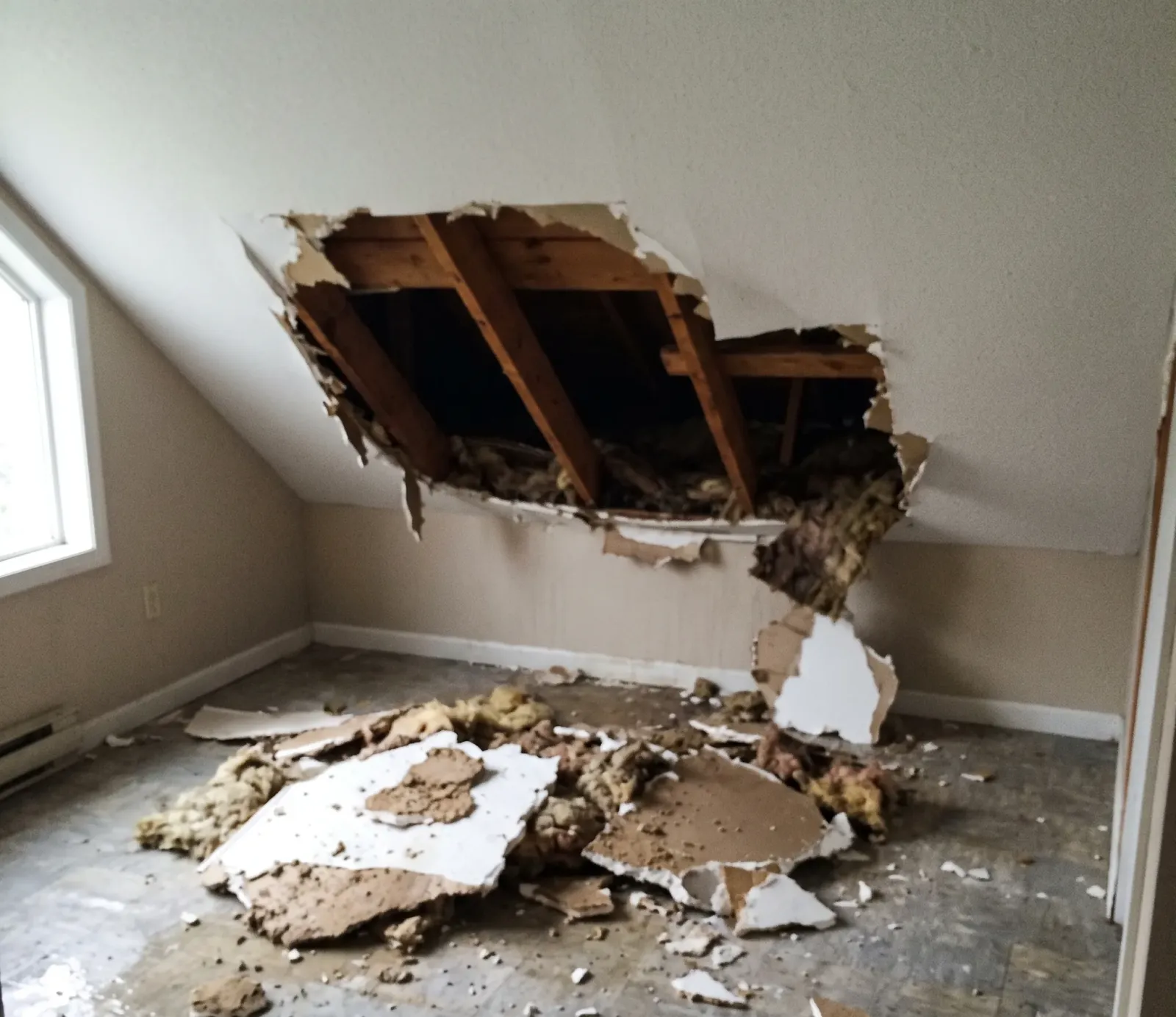
A rental unit in Inman Park or anywhere else in Atlanta puts the property owner one step removed from the first sign of trouble. A tenant may not recognize a slow drip under a sink as urgent, and a reporting delay of even a few days lets water travel further into flooring and framing than it would in an owner-occupied home. Deferred maintenance during a vacancy or unit turnover compounds this, since nobody is walking through the space regularly to catch aging plumbing failing quietly between leases.
When Reporting Delays Cost You Most
A rental property is not a static asset between move-in and move-out; it is a building that keeps aging and needs the same attention any home does, just filtered through a tenant who may not report problems the way an owner would. Landlords who treat AC maintenance and plumbing checks as routine, rather than reactive, tend to face smaller repairs and fewer surprises at unit turnover.
Dealing with this in your home?
A basement near Ormewood Park can sit dry for a year, then take on water the first time a real downpour hits. Atlanta's red clay sheds rain rather than soaking it in, so water piles up against a foundation wall fast, especially on lots that slope toward Intrenchment Creek. This post covers what that pattern actually means for a home.