Documentation is what turns a water damage claim into a paid one. In Atlanta, where a burst pipe in an older Grant Park bungalow or a slab leak in a newer Midtown build can both spiral fast, adjusters weigh evidence over memory. This page covers what to capture before cleanup starts, not how to file the claim itself. The goal is simple: a record detailed enough that nobody has to take your word for what the water touched, how deep it got, or what it ruined, weeks after the fact.
Start With Wide Shots
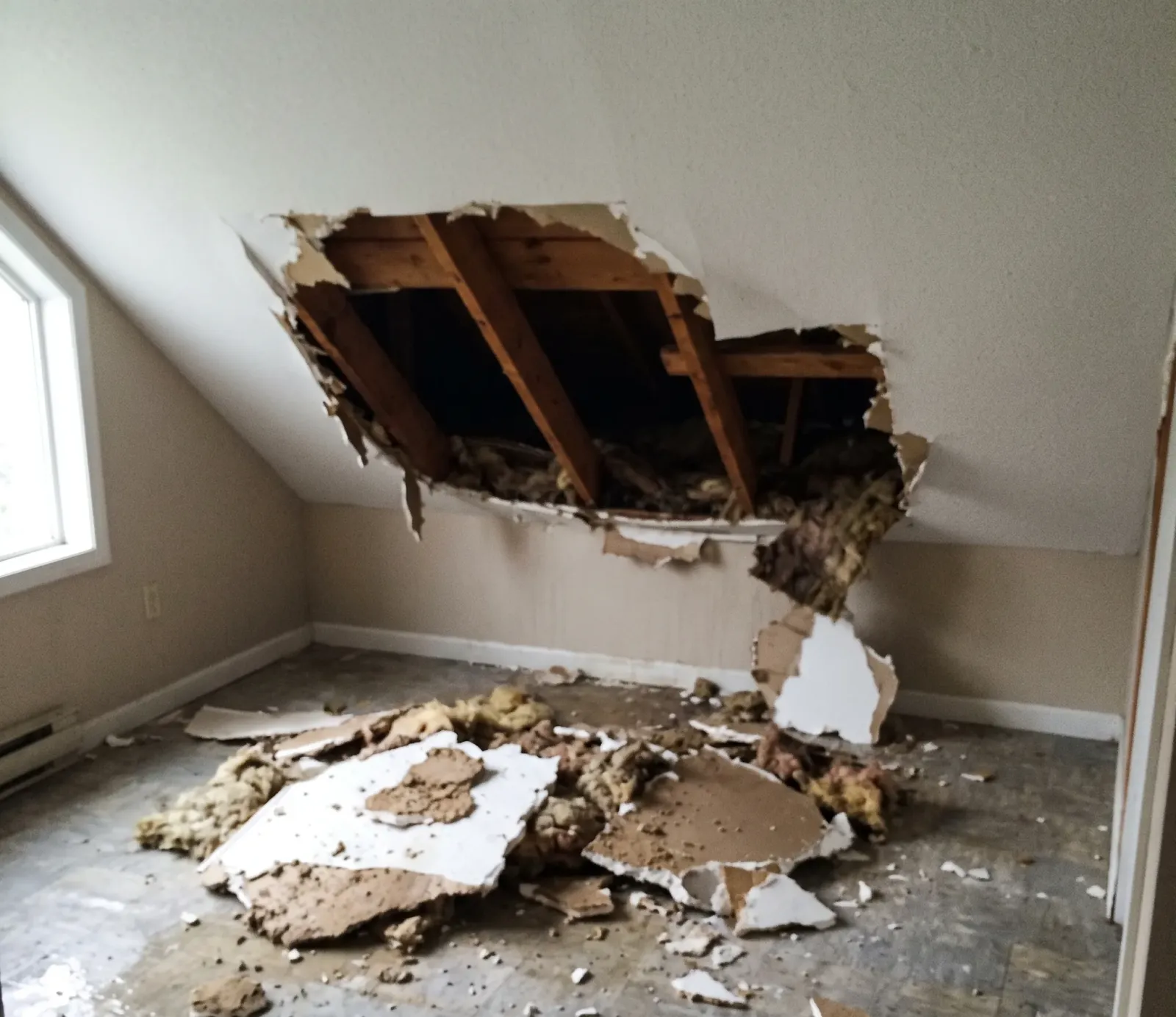
Before anything gets moved, walk the affected area and shoot a wide shot of every room touched, then work closer. A wide shot establishes scale and shows the water's path across a floor; it also shows context an adjuster can't get from a close-up photo alone. Do this in Buckhead high-rises and Decatur ranch houses the same way. Include ceilings, baseboards, and flooring in the same frame where possible, so the extent of the damage doesn't need explaining later.
Follow With Close-Ups
Once the wide shots exist, go back through and take a close-up photo of anything specific: a warped baseboard, a stained ceiling tile, a cracked tile grout line near a slab leak. Close-ups matter most on damaged contents, since an adjuster reviewing a claim from a Cumberland office needs to see the actual condition of a rug or a couch, not a description of it. Photograph both sides of anything with visible damage, and get low enough to show water lines on walls where they exist.
Timestamp Every Photo
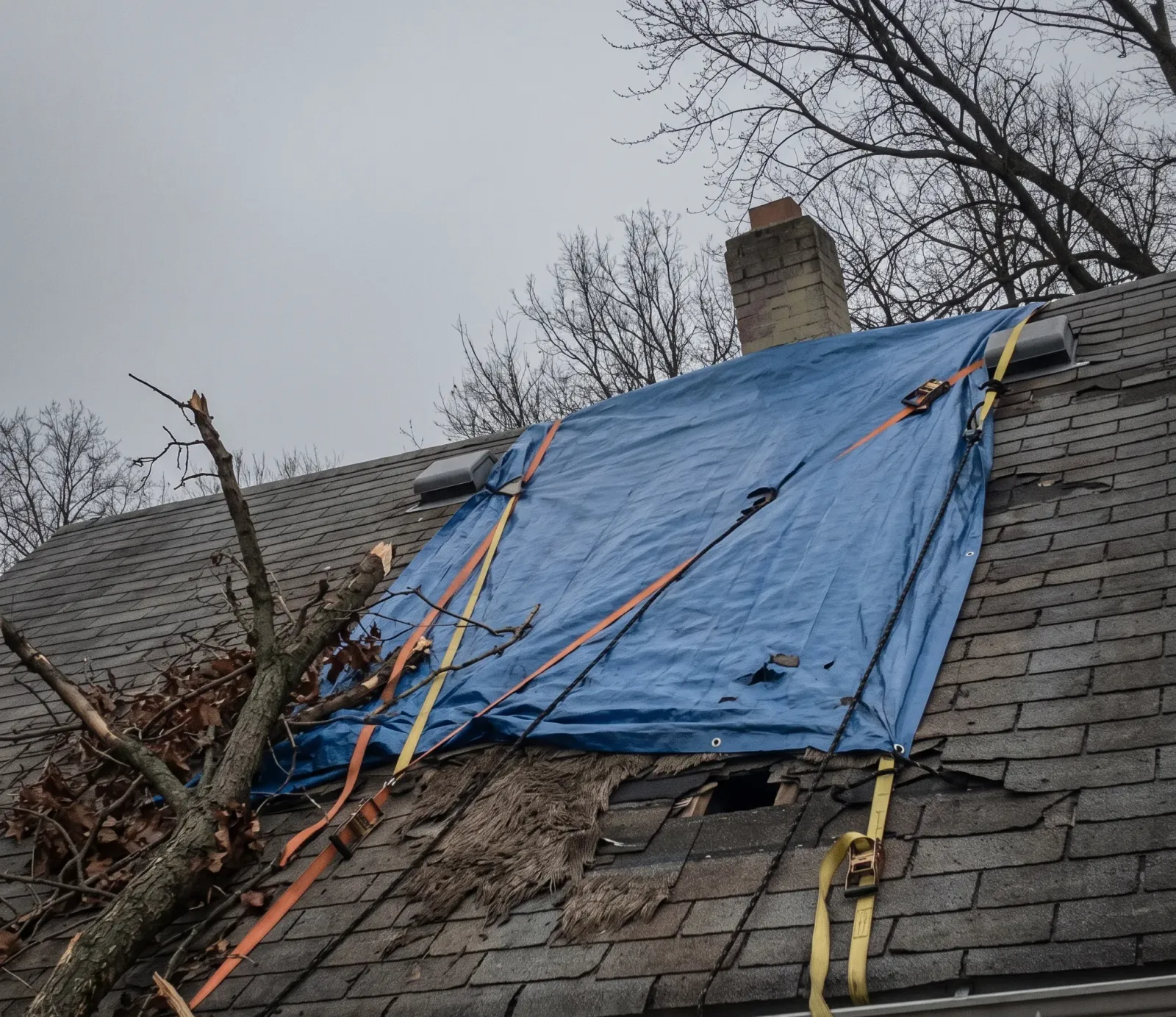
A single photo without a timestamp is weaker evidence than one with it. Most phones stamp photos automatically, but confirm the setting is on before you start, and note the date and time somewhere separate as a backup. This matters in a city like Atlanta, where a claim tied to a specific storm event needs photos that clearly predate any repair work. If you're documenting damage from something ongoing, like water working its way through drywall, dated photos over several days show progression an adjuster can't dispute.
Record A Video Walkthrough
A video walkthrough fills the gap between still photos: it captures spatial relationships a single frame can't, like how far water traveled from a kitchen through to a hallway in a Virginia-Highland cottage or an East Atlanta duplex. Narrate as you go, naming each room and anything notable. Move slowly and keep the phone steady rather than panning fast. One continuous walkthrough, done before any cleanup begins, often does more to establish the scope of a loss than a dozen separate photos.
Save Any Before Photo
Before photo evidence only works as a comparison if there's something to compare it to. If you have older photos of the room from before the water event, whether from a home listing, a renovation project, or a casual phone photo, save them separately and label them clearly. This is especially useful for renters and condo owners across Atlanta's denser submarkets, where a unit's prior condition might otherwise be disputed by a landlord, an HOA, or an insurer trying to separate old wear from new damage.
Log Moisture Readings
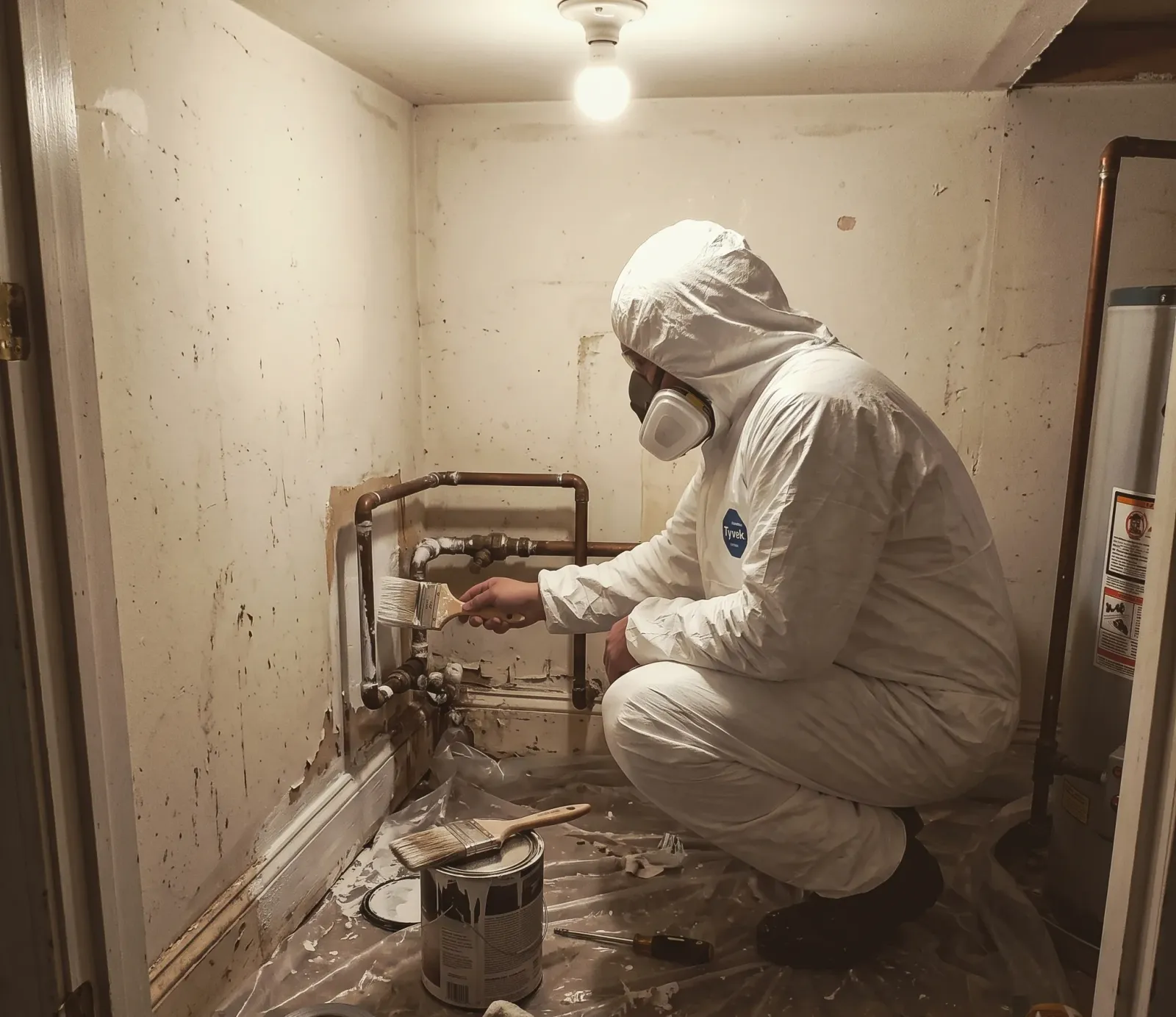
A moisture reading adds a number to what a photo can only show visually. Some restoration pros bring a moisture meter during an initial assessment, and if that happens before you've documented the room yourself, ask for the readings in writing, room by room. A wall that looks dry can still register wet behind the surface. Readings taken early, then again days later, help demonstrate whether an affected area actually dried out or whether hidden moisture is still sitting in the wall cavity or subfloor.
Build A Contents Inventory
Damaged contents need their own record separate from the structural photos. Walk through and build an inventory list room by room: furniture, electronics, rugs, appliances, anything the water reached. Note the approximate age and condition of each item before the loss, not just after. This list becomes the backbone of a contents claim, and it's far easier to build honestly while items are still in place than to reconstruct from memory once damaged contents have been hauled to a dumpster.
Attach Receipts And Serials
Wherever possible, attach a receipt or a serial number to an item on your inventory list. A receipt proves purchase price and date; a serial number on an appliance or electronics ties a specific unit to your claim rather than a generic category. Neither has to be perfect. A bank statement showing a purchase, a warranty card, or a product manual with a model number stapled to it all work. The point is giving the adjuster something more concrete than your own estimate of value.
Back Everything Up
Once photos, video, and an inventory list exist, get them off your phone and into a digital backup somewhere else: a cloud folder, an email to yourself, an external drive. Phones get dropped, lost, or damaged during a chaotic week, and a claim's entire documentation shouldn't live in one place. This is a five-minute step that protects hours of work, and it matters just as much for a homeowner in Sandy Springs as it does for a renter managing a claim from a Buckhead apartment.
Track Who Touched What
If more than one person touches the property before an adjuster does, keep a rough chain of custody: who was there, when, and what they moved or removed. This matters more in multi-unit buildings, where a leak might involve a property manager, a maintenance tech, and eventually a restoration crew, all before the paperwork catches up. A simple note with names, dates, and what each person did protects against later disputes over what condition things were in when each party arrived.
Get a Digital Backup Right Away
None of this documentation work requires waiting on anyone. A homeowner or renter can do all of it alone, with a phone, before making a single call. The licensed pros a homeowner eventually connects with for drying or repair will often ask for exactly this kind of record anyway, since it helps them scope the job accurately. Good documentation doesn't replace a claims adjuster's own inspection, but it gives your side of the story a foundation that holds up under review.
Dealing with this in your home?
A basement near Ormewood Park can sit dry for a year, then take on water the first time a real downpour hits. Atlanta's red clay sheds rain rather than soaking it in, so water piles up against a foundation wall fast, especially on lots that slope toward Intrenchment Creek. This post covers what that pattern actually means for a home.